Gilgit-Baltistan Plans Glacier Protection Authority to Strengthen Climate Resilience
Government Proposes New Measures to Protect Glaciers and Enhance Disaster Preparedness
Gilgit-Baltistan is taking significant steps to strengthen its response to climate change by proposing the establishment of a Glacier Protection Authority and encouraging universities across the region to introduce specialised academic programmes focused on glacier research and climate science.
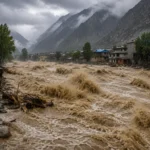
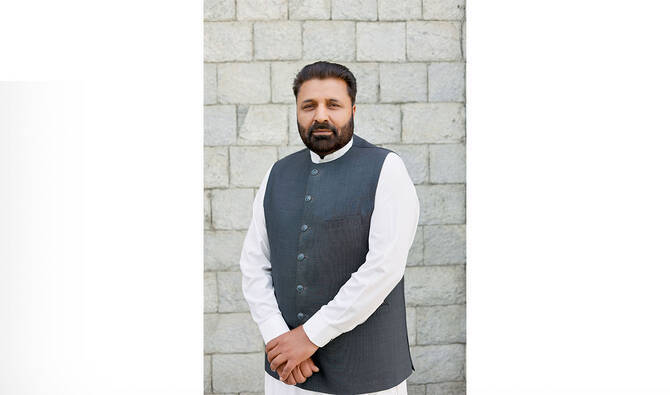
The proposal was discussed during a meeting between Gilgit-Baltistan Chief Minister Amjad Hussain Azar and National Disaster Management Authority (NDMA) Chairman Lt Gen Inam Haider Malik at the Chief Minister’s Secretariat. The meeting focused on improving preparedness for natural disasters, particularly ahead of the ongoing monsoon season, when glacial lake outburst floods (GLOFs), cloudbursts, and flash floods pose serious risks to communities across the region.
Strengthening Glacier Research
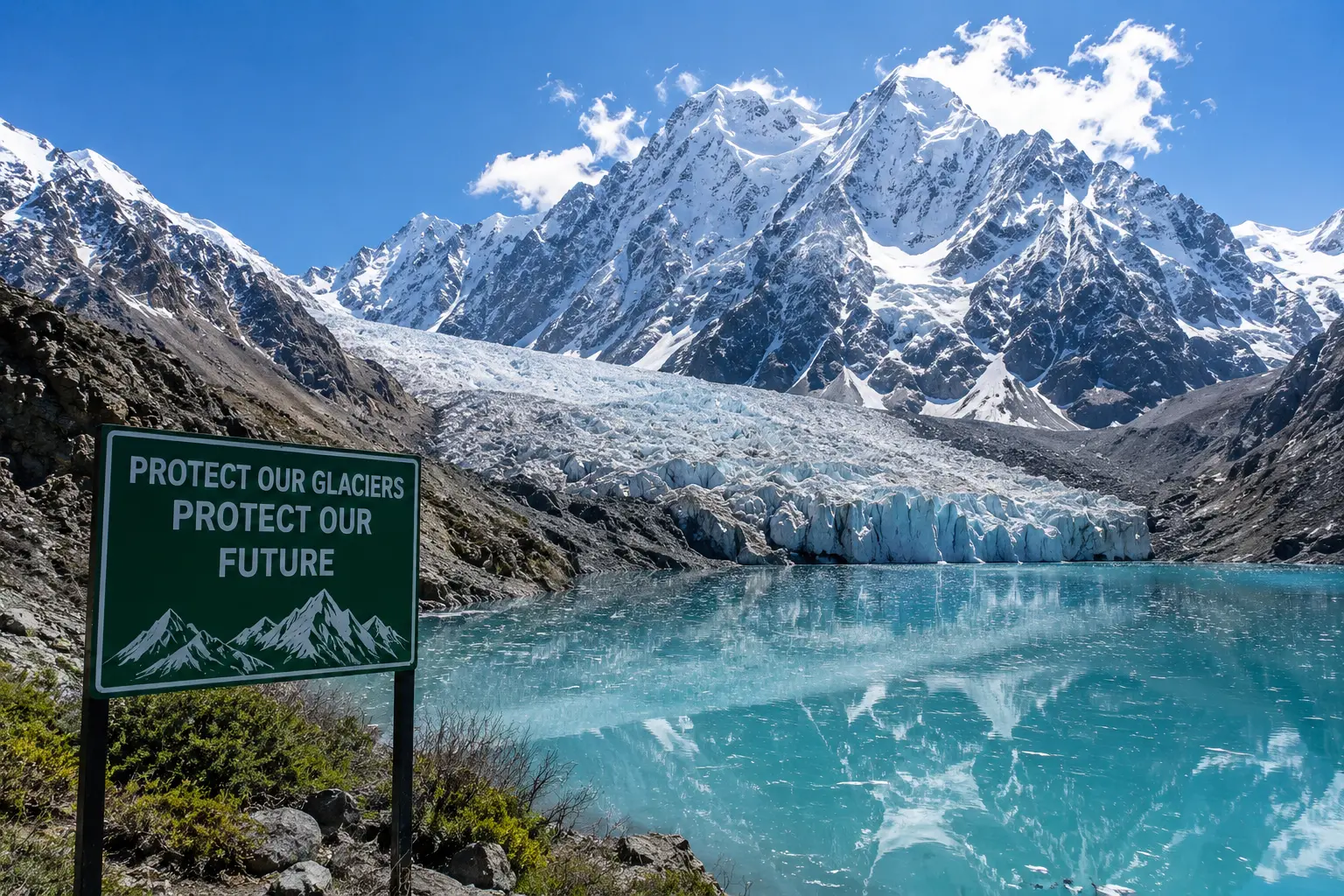
Recognising the increasing impact of climate change on the northern mountain ranges, the Chief Minister highlighted the importance of scientific research in protecting Gilgit-Baltistan’s fragile environment. He noted that the region is home to nearly 700 glaciers, making it one of the world’s largest reservoirs of ice outside the polar regions.
To build local expertise, the government plans to work with universities in Gilgit-Baltistan to establish specialised departments or academic programmes focusing on glaciology, climate science, environmental studies, and disaster risk management. These programmes are expected to produce skilled professionals capable of conducting research and developing practical solutions for climate-related challenges.
Proposal for a Glacier Protection Authority
The government is also considering the creation of a dedicated Glacier Protection Authority that would oversee glacier conservation, coordinate climate adaptation strategies, and support long-term environmental planning. The proposed authority would work closely with disaster management agencies, researchers, and environmental experts to improve monitoring and protection of glacier systems across Gilgit-Baltistan.
Improving Disaster Preparedness
During the meeting, the Chief Minister directed disaster management authorities to ensure that early warning systems remain fully operational in vulnerable areas. Reliable warning systems play a crucial role in reducing the loss of life and property during natural disasters, particularly in remote mountain communities.
The discussion also highlighted the importance of maintaining flood channels before the arrival of heavy rainfall. The Chief Minister instructed the Gilgit-Baltistan Disaster Management Authority (GBDMA) to develop a comprehensive policy for the regular desilting and maintenance of drainage channels to reduce flood risks throughout the region.
Faster Emergency Response on Highways
Frequent landslides and floods often disrupt transportation networks in Gilgit-Baltistan, leaving many communities temporarily isolated. To improve emergency response, the Chief Minister urged the National Highway Authority (NHA) to strengthen its disaster response mechanism and maintain round-the-clock operational readiness during the flood season. The objective is to restore blocked highways quickly and ensure uninterrupted connectivity for residents, tourists, and emergency services.
Expanding Emergency Infrastructure
Another important decision discussed during the meeting was the establishment of an NDMA emergency warehouse in Skardu. The Chief Minister directed the provincial Home Secretary to facilitate the allocation of suitable land for the facility. Once operational, the warehouse is expected to improve the storage and rapid deployment of emergency relief supplies across Baltistan during natural disasters.
Conculsion
Climate change continues to accelerate glacier melting and increase the frequency of extreme weather events in Gilgit-Baltistan. The proposed Glacier Protection Authority, combined with greater investment in scientific education and disaster preparedness, represents an important step toward protecting the region’s natural resources and strengthening community resilience.
If implemented successfully, these initiatives could help Gilgit-Baltistan become a national leader in glacier conservation, climate research, and sustainable mountain development while enhancing its capacity to respond effectively to future environmental challenges.