Unregulated Placer Gold Mining Raises Environmental Concerns in Gilgit-Baltistan
Placer gold mining in Gilgit-Baltistan is raising environmental concerns. Authorities have warned about damage to rivers, riverbanks and nearby infrastructure.
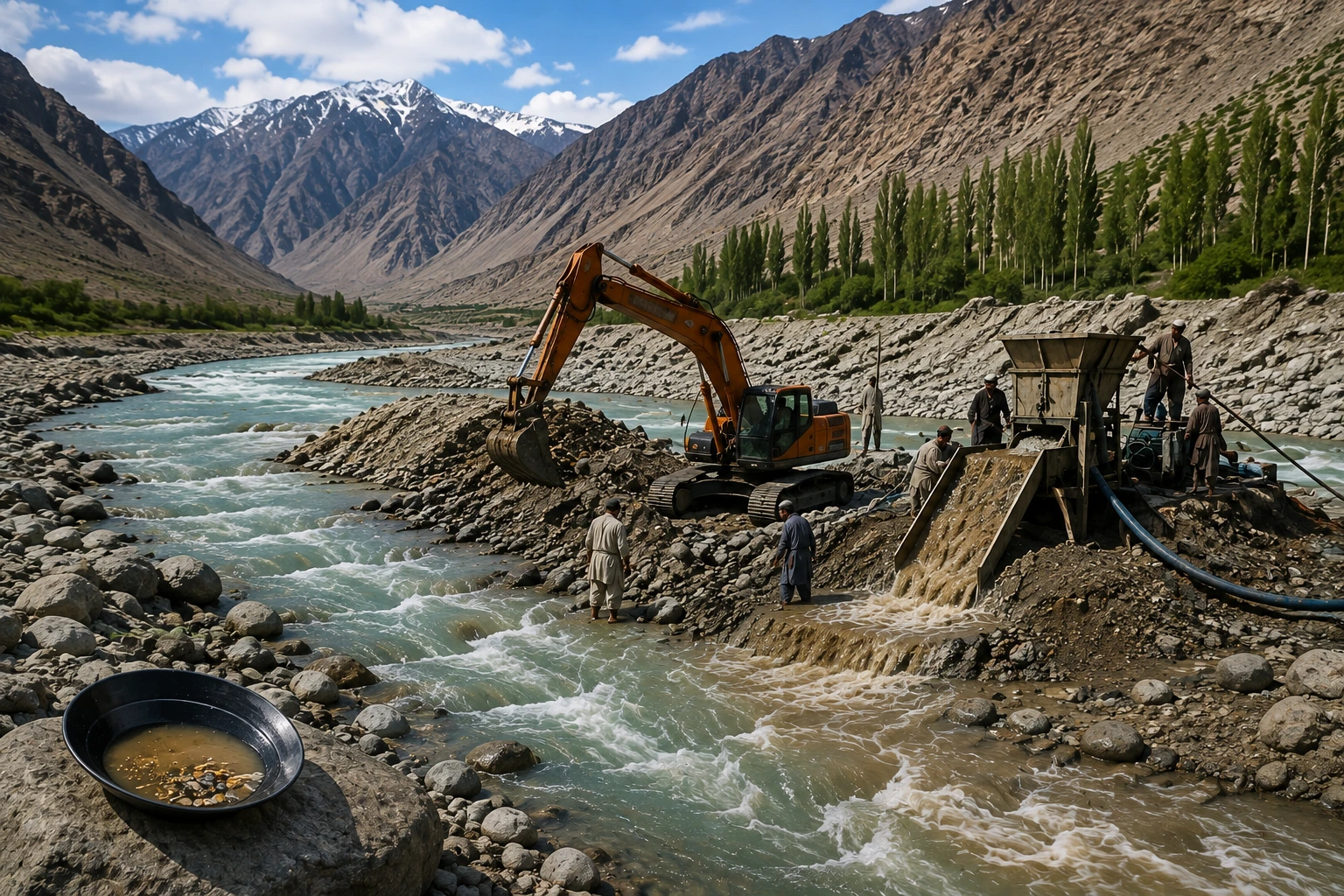
Mining companies extract gold from riverbeds and streams across the region. Some operators use heavy machinery for this work. The activity has raised concerns about river pollution, erosion and changes in natural water flow.
Gold Mining Affects River Ecosystems
The Gilgit-Baltistan Environmental Protection Agency (GBEPA) has raised concerns about mining operations near rivers and streams.
Mining machinery can leak oil and other substances into the water. Gold-washing activities can also produce large amounts of muddy water.
Some mining sites reportedly discharge this water directly into rivers. Excavated material can also enter the river system. These activities can affect water quality and river ecosystems.
Risk to Roads, Bridges and Settlements
Riverbed excavation can change the natural flow of water. Mining companies may also move large amounts of rocks and soil during extraction.
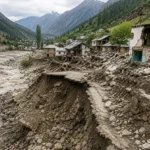
These activities can increase riverbank erosion. They may also redirect water towards roads, bridges and nearby settlements.
Agricultural land could also face risks in areas close to active mining sites. The danger may increase during periods of heavy rainfall and high river flow.
GBEPA Fines Mining Company in Hunza
GBEPA has taken action against a placer gold mining company in Nasirabad, Hunza.
According to the reported GBEPA action, the agency imposed a Rs1 million fine on the company. Authorities also suspended its mining operations.
The action followed alleged violations of environmental protection requirements. The case highlights the need for stronger monitoring of mining activities across Gilgit-Baltistan.
Concerns Over Diamer-Bhasha Dam Area
Gold mining has also raised concerns around the Diamer-Bhasha Dam project area.
Authorities have reported mining activity along parts of the Indus River within the proposed reservoir area. The activity has raised questions about river erosion and sediment movement.
The Diamer-Bhasha Dam is one of Pakistan’s major water and energy projects. Any activity that changes river channels or increases sediment movement requires careful monitoring.
Mining Near Bridges Raises Safety Concerns
Authorities have also raised concerns about mining near bridges.
Heavy excavation near a bridge can disturb the riverbed and weaken nearby riverbanks. Changes in water flow can create additional pressure on infrastructure.
For this reason, authorities need to identify safe mining zones. They should also restrict excavation near sensitive infrastructure.
Environmental Monitoring Remains a Challenge
Monitoring mining activities across Gilgit-Baltistan presents a major challenge.
The region covers a large and difficult mountainous area. Mining sites can also operate in remote valleys and river sections.
GBEPA and other departments need adequate staff and resources to conduct regular inspections. Stronger coordination between government departments could also improve enforcement.
Gold Mining Can Create Economic Opportunities
Gold mining can provide economic opportunities for local communities. It can create jobs and attract investment in Gilgit-Baltistan.
However, mining must follow environmental rules. Companies should protect rivers and manage waste properly.
Responsible mining can help the region benefit from its mineral resources. Unregulated extraction, on the other hand, can create long-term environmental and infrastructure problems.
Stronger Regulation Is Needed
Authorities need to strengthen environmental monitoring at mining sites. They should pay particular attention to operations near rivers, bridges, roads and settlements.
Mining companies should also manage wastewater and excavated material safely. They should prevent fuel and other pollutants from entering rivers.
Regular inspections can help authorities identify violations early. Clear rules can also help companies understand their environmental responsibilities.
Protecting Gilgit-Baltistan’s Rivers
The rivers of Gilgit-Baltistan support communities, agriculture and natural ecosystems. They also play an important role in the region’s tourism and economy.
Gold extraction should not put these resources at unnecessary risk.
The government, environmental authorities and mining companies must work together. They should promote responsible mining while protecting rivers and communities.
Conclusion
Placer gold mining offers economic potential for Gilgit-Baltistan. However, unregulated mining can damage sensitive river ecosystems.
Recent enforcement action in Hunza and concerns around the Diamer-Bhasha Dam area show the need for stronger regulation.
Authorities should improve monitoring and enforce environmental standards. Mining companies should follow safe extraction practices.
Gilgit-Baltistan can develop its mineral resources without sacrificing its rivers, communities and infrastructure. Responsible mining must remain the priority.
News source: Dawn Newshttps://www.dawn.com/news/2021627/unregulated-placer-gold-mining-raises-concerns-in-gb