
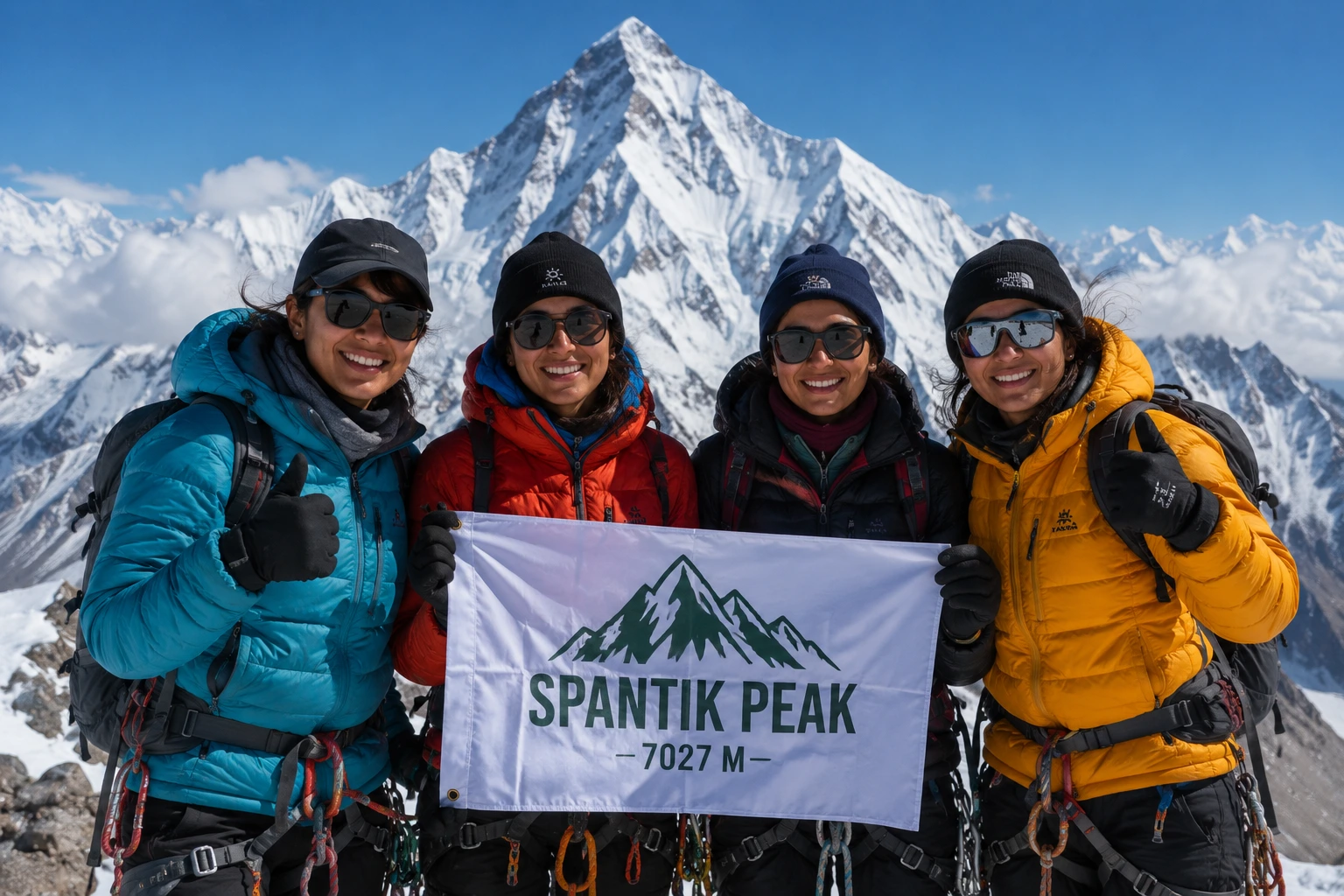
Four Women from Gilgit-Baltistan Summit 7,027-Metre Spantik
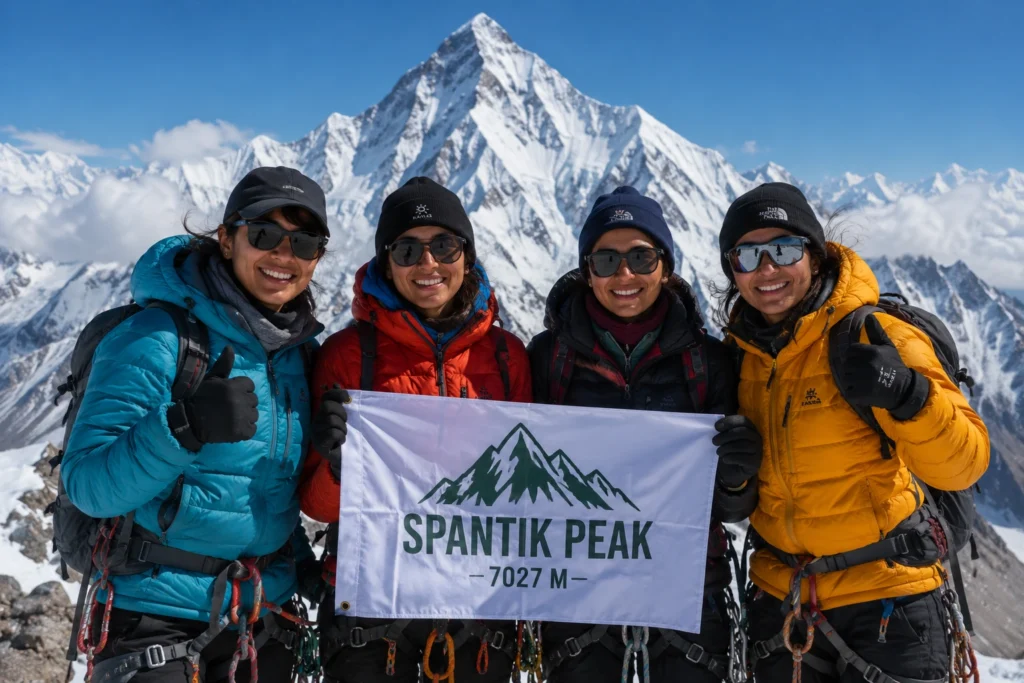
SKARDU/GILGIT — Four women mountaineers from Gilgit-Baltistan have successfully summited 7,027-metre Spantik Peak, one of the Karakoram’s most celebrated 7,000-metre peaks, and returned safely to Skardu, in what mountaineering officials are calling an inspiring achievement for the region.
The Alpine Club of Pakistan confirmed that the local women’s team reached the summit without the assistance of high-altitude porters and made it back to Skardu on Monday. The successful climbers were Shama Baqir and Samana Rahim from Shimshal Valley, Zooni Aslam from Gulmit Valley in Gojal, Upper Hunza, and Zaiba Batool Shigri from Shigar district.
According to Alpine Club of Pakistan General Secretary Ayaz Shigri, the team reached the summit either a day before or on the same day that fellow climber Dr Asma Mushtaq, a UK-based doctor who was also part of the wider expedition, died while descending from the mountain after developing a serious high-altitude medical emergency at around 6,250 metres. Weather at the peak had been favourable in the days before, Shigri said, but conditions deteriorated afterward, complicating both the descent and subsequent recovery efforts.
A fifth member of the women’s group, Bismah Hassan of Lahore, was also part of the expedition but turned back roughly 250 metres below the summit after experiencing a health issue of her own.
The climb took place against a backdrop of a broader, eventful season on Spantik. The same expedition period also featured Romanian climber Alexandra Visan, who is undergoing treatment for cancer and successfully summited and descended safely, accompanied by local high-altitude porter Ali Ameen of Shigar.
Punjab-based climber Ayyan Adeel also reached the summit. Expedition organisers said he completed the climb without high-altitude porter support, with fellow climbers Awais Choudary and Talha Khalid assisting him.
An Achievement Without Porter Support
Mountaineers widely regard climbing a 7,000-metre peak without high-altitude porters as a sign of self-sufficiency, as climbers must carry their own loads, fix ropes and handle the most demanding sections above base camp. For four women from Gilgit-Baltistan’s own valleys to summit Spantik on their own strength places their ascent among the more technically self-reliant climbs completed on the mountain this season.
Spantik, also known as Golden Peak for the golden glow its marble pillar reflects at sunrise and sunset, stands in Shigar District in the Karakoram range. Climbers reach the peak by trekking across the Chogolungma Glacier from Arandu village. Expedition operators often describe Spantik as one of Pakistan’s more accessible 7,000-metre peaks, but the climb remains a serious high-altitude challenge and has claimed the lives of climbers from several countries over the years.
Significance for Women in Mountaineering
The achievement adds to a growing list of climbs by Pakistani women in recent years, following the path opened by figures such as Samina Baig of Shimshal, the first Pakistani woman to summit Everest and K2. Three of the four successful climbers come from Shimshal and Gojal in Hunza, valleys with a long tradition of producing mountain guides and porters, while the fourth is from Shigar. Their achievement highlights how mountaineering skills passed down through generations of local trekking and portering families are increasingly inspiring women from these communities to take up climbing.
For Gilgit-Baltistan, where women have historically had limited opportunities to participate in outdoor sports, the successful summit by a local women’s team without high-altitude porter support shows that opportunities for women in high-altitude climbing are expanding.. It also arrives at a moment when the region continues to position itself as a global mountaineering and adventure tourism destination, home to five of the world’s fourteen 8,000-metre peaks as well as numerous accessible 7,000-metre climbs like Spantik that attract both international expeditions and, increasingly, local climbers.
A Season Marked by Both Triumph and Loss
The successful summit came in the same window as the loss of Dr Mushtaq, whose body remained at Camp 3 as of Monday amid poor weather that had forced a six-member high-altitude porter team to turn back from an attempted recovery near Camp 2. Officials said rescuers would make another attempt once conditions improved, after which a helicopter would airlift the body to Skardu.
The juxtaposition of a safe, unassisted summit by four local women and the death of a fellow climber from the same broader expedition is a reminder of both the achievements and the risks that continue to define high-altitude mountaineering in the Karakoram. As Gilgit-Baltistan’s profile as a climbing destination grows, officials and mountaineering advocates say such stories — of skill, self-reliance and community roots, alongside the dangers inherent to the sport — will likely continue to shape how the region is seen by climbers and travellers around the world.